
Leuven’s compact centre and university presence shape where people gather, but they do not define every social circle. For dating in Leuven, English-speaking adults can meet compatible singles by building a routine around recurring groups, keeping language choices conversational, and arranging short local dates that fit work and study schedules. The city offers plenty of contact points for researchers, international residents, locals, and people whose connection to KU Leuven is only one part of their life.
Understand Leuven’s Mix of Students, Researchers, International Residents, and Locals
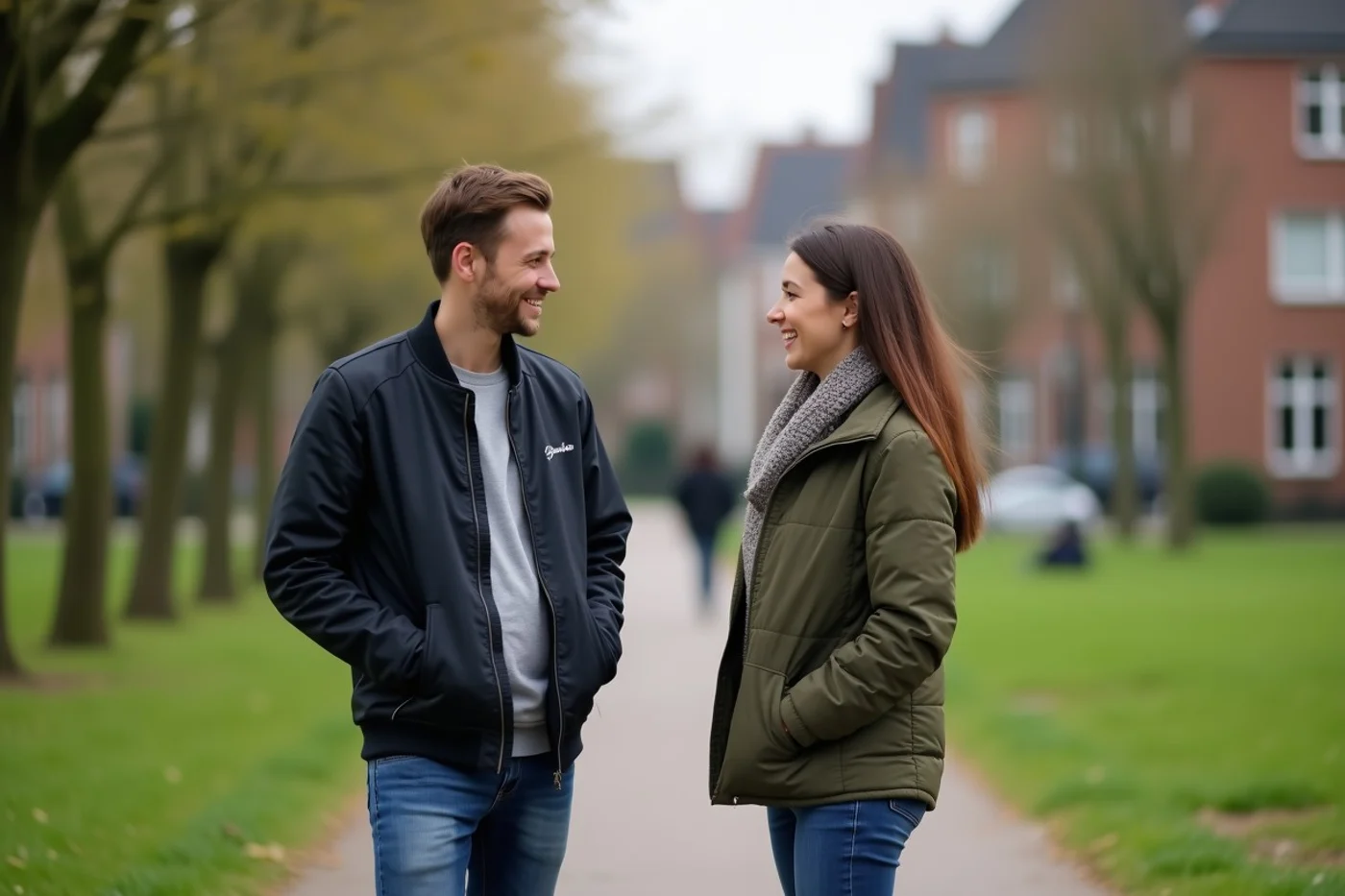
For dating in Leuven, do not read a university town as a student-only dating pool. KU Leuven gives the city a strong academic presence, yet the people around it span degree students, doctoral researchers, university staff, international employees, long-established residents, and adults who commute in for work. Shared streets and cafés can conceal very different daily rhythms, housing situations, and ideas about what a relationship should fit around.
Student-centred circles often grow from classes, residences, and peers at a similar stage of life. Researchers and staff may meet people through professional or international networks, while locally rooted residents are more likely to have friendships and commitments beyond the university orbit. None of these groups is closed, but a lively central social setting does not by itself signal a shared age range or compatible expectations.
Bring the relevant context into an early conversation: how long someone expects to be in Leuven, whether their week is shaped by study or work, and what kind of connection they are open to. That is not an interrogation; it prevents a common mistake of projecting permanence onto a visitor or casual intentions onto someone with deep local roots. International does not mean temporary, and local does not automatically mean serious.
Look for Repeated Contact in Groups That Are Open to Newcomers
One-off social events can produce a pleasant evening, but recurring activities give people time to recognise each other and let conversation develop without a date-like introduction. In Leuven, choose groups that state clearly that newcomers can join, then attend enough sessions to learn whether the mix suits your stage of life and interests.
Sports groups create interaction through a shared task, though conversation may cluster before or after the activity. Classes—such as a creative, cooking, or skills-based course—usually offer a steadier age range and longer conversations. Volunteering tends to attract people who want to contribute locally, which can reveal compatible priorities, while cultural programmes provide a lower-commitment way to meet people who enjoy the same subject but may not return regularly.
Professional and international community events often draw researchers, staff, freelancers, and established residents connected with KU Leuven or the wider city. They can suit adults seeking peers with work-based routines, but a networking format is not automatically a dating context. Build a few familiar conversations first; an invitation for coffee carries more warmth when it follows genuine rapport.
Navigate English and Dutch Without Making Language an Entrance Test

English is common in many internationally connected corners of Leuven, particularly around KU Leuven, but it does not erase Dutch as the language people share with local friends, colleagues, and family. A person’s fluency in English says little about their interest in meeting you; it may simply shape where conversation flows most easily.
Set the language question lightly at the start: “Would you prefer English or Dutch?” or “I’m still learning Dutch—are you comfortable speaking English?” Both statements show consideration without turning an introduction into an assessment of anyone’s language skills. Learning a few Dutch greetings is courteous, yet fluency is not a prerequisite for dating in Leuven.
Groups sometimes begin in English and drift into Dutch when several Flemish speakers are talking together. Stay present: follow the part you understand, then ask one person nearby, “Could you give me the short version in English?” In a smaller conversation, a direct “I missed that—what did you decide?” is usually more natural than asking an entire group to translate everything.
On a date, agree on the language that lets both people be themselves. Someone may enjoy practising English but prefer Dutch for humour, nuance, or emotional subjects. That is a conversation about comfort, not a verdict on compatibility.
Use Leuven’s Compact Layout to Keep Dates Simple
Leuven City Centre suits a first date with a short, defined shape: meet for coffee, add one shared stop, then leave room to continue only if the conversation has momentum. Starting near Oude Markt gives both people an easy landmark and keeps the walk back towards the station or central bus connections straightforward. A drink can be the whole plan; it need not become an all-evening commitment.
For a quieter daytime format, walk through Groot Begijnhof or Kruidtuin after meeting in the centre. M Leuven offers a more structured option when an exhibition provides something to discuss between silences. Cycling works well only when both people are comfortable riding and have a clear place to leave their bikes; on a first meeting, walking often keeps the pace more conversational. Set an end point near the centre when one person is arriving by train or bus.
Build Connections That Survive the Academic Calendar
- Anchor your social life in one weekly or fortnightly commitment that continues through teaching periods and quieter stretches. In Leuven, a routine with a fixed place and time gives new acquaintances a reason to see you again after the first enthusiastic conversation has passed.
- Bring up length of stay naturally once there is mutual interest. A simple “Are you based here for a while?” distinguishes someone settling into the city from a person finishing an exchange, placement, degree, or research visit. Neither answer rules out dating; it helps both people set honest expectations.
- Exchange contact details before a break interrupts the momentum, then suggest a specific next plan. “I enjoyed talking—shall we get coffee next week?” is stronger than a vague promise to meet again. Send a short follow-up while the encounter is still fresh, especially near exam periods, holidays, or end-of-term departures.
- Keep promising connections active with a light, concrete rhythm: a message after a busy week, a proposed day after someone returns, or an invitation tied to an existing plan. For dating in Leuven, choose one of two paths: invest in people whose local routine aligns with yours, or enjoy a shorter connection openly without building it around an assumed future.
Choose a recurring group when you need a steadier route to new connections beyond one-off social nights. Choose a compact centre date around a walk, cultural stop, or café when you already have someone to meet and want the plan to stay easy to reach.
Sources for this guide
- KU Leuven — official information — KU Leuven