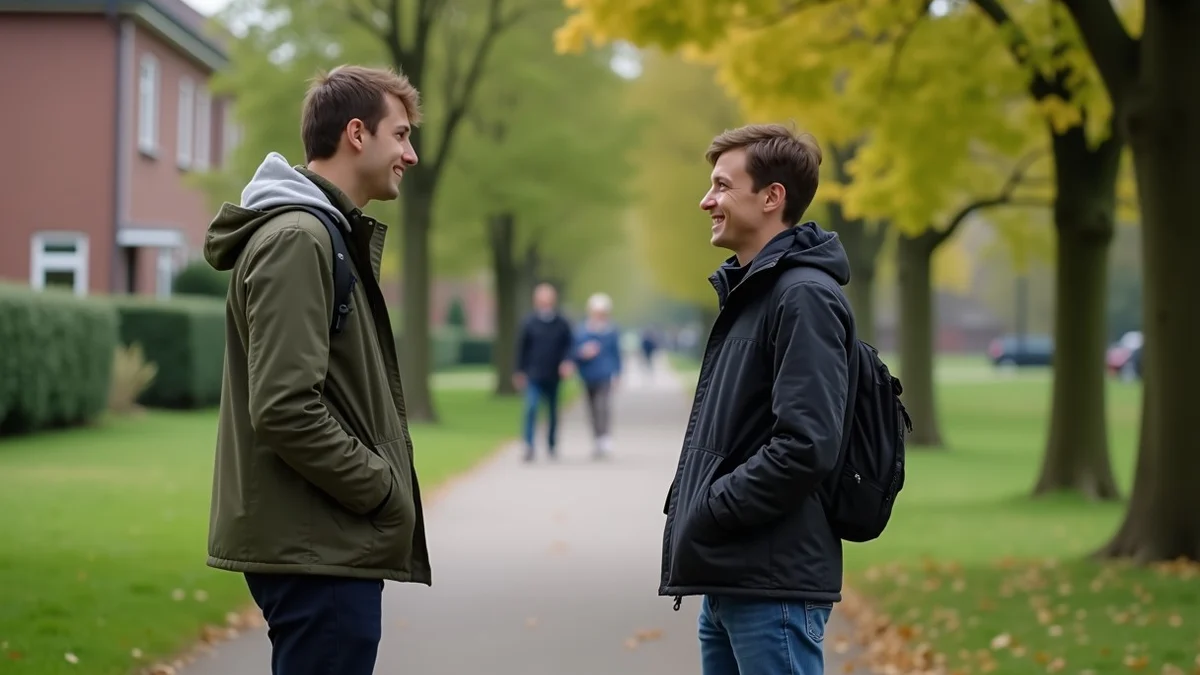
Dating drains quickly when every opportunity begins with a crowded room, a long evening, and unfamiliar faces. An introvert dating in Belgium can meet people without burning out by favouring recurring small-group activities, one-to-one introductions, and short daytime dates, then leaving recovery time between plans. In Brussels, Antwerp, Ghent, and Leuven, proximity matters: select activities close to home or your usual route so the journey does not consume the energy you hoped to spend on conversation.
Choose Meeting Environments That Reward Familiarity and Smaller Conversations

For introverts dating in Belgium, repeated contact usually offers a better starting point than a one-off crowd. A weekly language class, workshop or recreational course gives you a shared subject and several chances to recognise someone before starting a longer conversation. The group may be larger, but interaction often happens in pairs or small clusters.
Volunteering suits people who prefer a task to carry part of the social exchange. Working alongside the same volunteers creates natural openings to talk without performing for a room. Small interest groups—such as a book discussion, walking group or craft session—keep the setting focused and give people something specific to respond to. Prioritise groups that meet regularly over open networking evenings built around circulating among strangers.
Introductions through friends are often the lowest-pressure route, particularly in Brussels, Antwerp, Ghent or Leuven where existing social circles can overlap across work, study and hobbies. Ask a friend to include you in a small dinner, museum visit or shared activity, not to arrange a formal blind date. A cultural outing at BOZAR in Brussels, Museum Plantin-Moretus in Antwerp or STAM in Ghent also provides pauses and ready-made conversation prompts while you get to know someone.
Plan Around Your Social Energy Instead of Ignoring It
| Option | Advantages | Considerations |
|---|---|---|
| Use the previous week as your baseline | Notice which combinations drain you: a full office day, a long commute, errands, or a crowded social commitment. Reserve dates for windows when you usually still have attention and patience to offer. | A free evening is not automatically an energetic one. Treating every open slot as available can leave you arriving in survival mode. |
| Build in recovery before the date | In Brussels, leave a buffer after work if travel across the region or changing languages during the day has already taken effort. A quiet meal, walk, or time at home can reset your focus before you meet. | Stacking a date immediately after a demanding meeting, family event, or group activity often turns normal tiredness into withdrawal. |
| Match the setting to the day you have had | After a lighter day, a cultural outing such as BOZAR in Brussels or Museum Plantin-Moretus in Antwerp gives the conversation a shared focus without requiring constant talk. | Save noisier, less structured plans for days when your energy is genuinely higher; forcing yourself through them can make dating feel like another obligation. |
Prepare Conversation Anchors Without Memorising a Script
A little preparation prevents the blankness that can arrive when a date begins. Bring three anchors: two open questions connected to the setting or their profile, and one short story from your own week. “What drew you to this exhibition?” or “What do you enjoy doing when you have an unplanned afternoon?” invites more than a factual reply.
Let the place supply material. At BOZAR in Brussels, an artwork, performance or the building itself offers a natural observation to develop. At Antwerp’s Museum Plantin-Moretus or STAM in Ghent, pause over an object or display and ask what the other person noticed. Shared surroundings give conversation somewhere to go when neither person wants to fill every silence.
Anchors are prompts, not a questionnaire. Follow an answer that interests you, offer your related view, then allow the exchange to change direction. A prepared personal story works best when it is brief and specific: a small discovery in a Belgian city, a hobby mishap, or an opinion you are still forming. Curiosity and response matter more than producing a stream of polished topics.
Make Quiet Interest Easier for the Other Person to Read
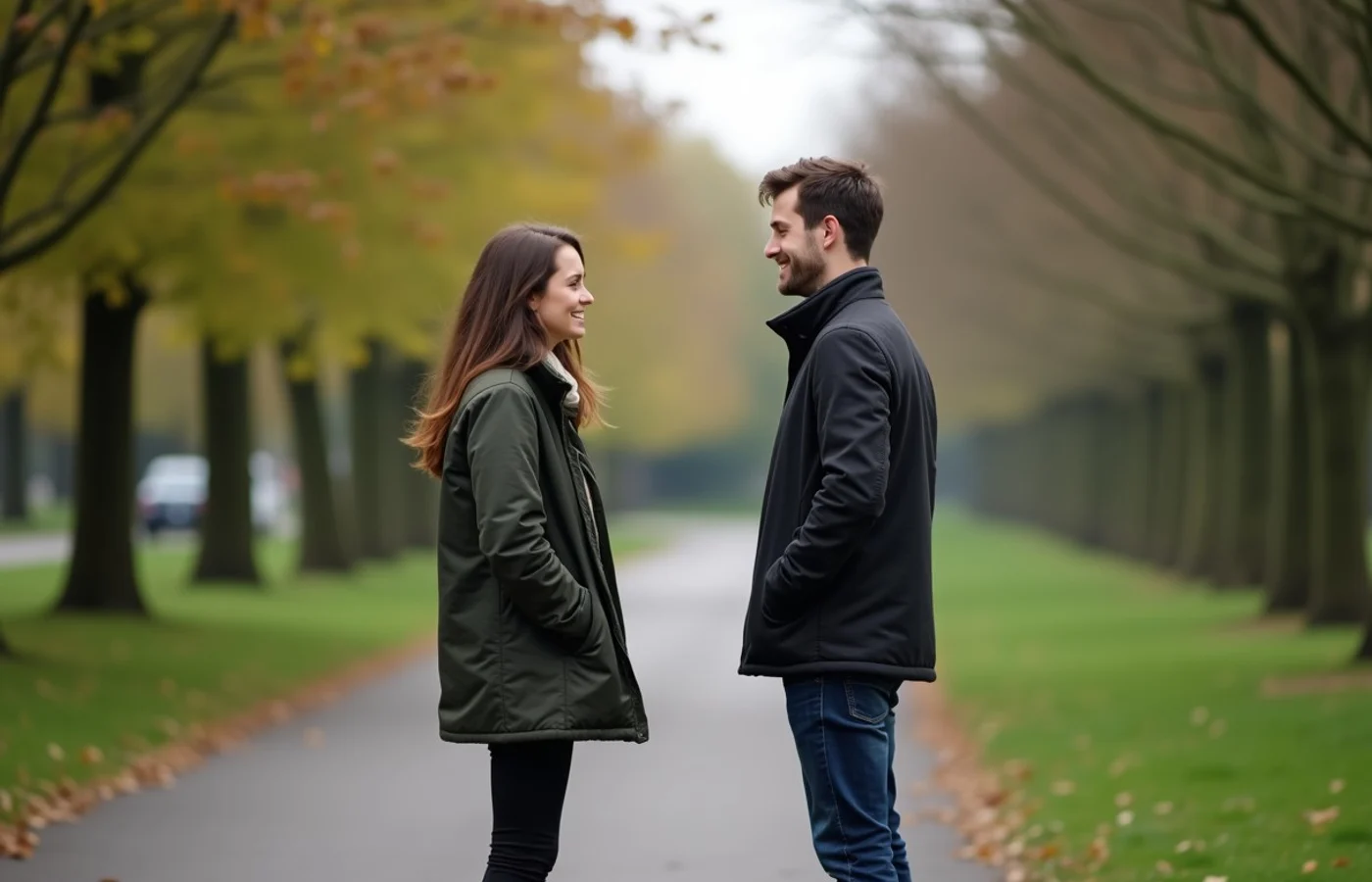
A reserved manner does not automatically communicate attraction. Someone who has just met you may read brief replies, limited eye contact or a quick departure as politeness without interest, even when you enjoyed the exchange. Give them a few observable signals: stay engaged with what they say, mention one detail you liked hearing, and volunteer a small piece of your own view.
Direct appreciation removes guesswork without requiring a highly expressive style. Say, “I liked talking with you about that,” or “I had a good time with you today.” When you want another meeting, make the invitation specific: “I’d like to see you again. Would you be free for a walk in Ghent next week?” A definite suggestion carries more meaning than a vague “we should do this again.”
Quiet attention is valuable when it is paired with response. Ask a follow-up about something they raised, smile when it is natural, or send a brief message that refers to a shared moment. You do not need to perform constant enthusiasm; you do need to let a person see that your calmness includes them.
Set a Dating Pace You Can Maintain
Early dating does not require a packed diary. Start with a rhythm that leaves room for work, friends and quiet evenings: one date in a week may be plenty, especially when you are still getting to know someone. Put a natural end point on the plan, such as coffee followed by a walk or a museum visit with a set departure time. A shorter meeting can still show genuine interest when you are present for it.
Travel deserves a place in the calculation in Belgium. A Brussels-to-Antwerp meeting, or an evening that begins after a full workday, can consume far more energy than the date itself. Keep early plans close to a neighbourhood one of you already uses, or meet for a defined cultural activity such as an exhibition at BOZAR in Brussels or Museum Plantin-Moretus in Antwerp. The activity supplies a shared focus and gives the date a built-in finish.
State your limit as part of the invitation, not as an apology. “I’d enjoy meeting on Thursday; I can stay until about eight,” is warm and unambiguous. When someone proposes several meetings in quick succession, name the pace that suits you: “I’m interested in seeing you, and next week works better for me.” Agreeing to a busier schedule solely to demonstrate enthusiasm often creates cancellations, exhaustion and resentment later. Consistency carries more weight than an unsustainable burst of availability.
Follow Up Once You Have Had Time to Recharge
A socially demanding date does not require an instant verdict. Send a short acknowledgement that evening when you arrive home: “Thanks for today—I enjoyed hearing about your work project. I’m going to have a quiet night, but I’d like to reflect on it properly tomorrow.” This communicates interest without forcing a long post-date exchange while you are depleted.
After some downtime, separate fatigue from your view of the person. You may have liked the conversation and still feel relief that it ended; that is not a reason to disappear. In Belgium, where travel between cities can extend an evening, give yourself until the next day to decide whether you want another meeting.
Then reply plainly. “I had a good time and would like to see you again; are you free next week?” is enough. When you do not want to continue, close kindly: “Thank you for meeting me. I enjoyed our conversation, but I don’t feel the connection I’m looking for. I wish you well.” A prompt, definite answer avoids leaving quietness open to interpretation.
Start with one setting where the same people return regularly, then give yourself permission to leave after a defined amount of time. When you meet someone you like, show it plainly with a specific follow-up message or invitation; quietness need not leave your interest unclear.
Useful official links
- Museum Plantin-Moretus — Museum Plantin-Moretus
- STAM – Ghent City Museum — STAM
- City of Antwerp — City of Antwerp
- City of Ghent — City of Ghent
- City of Leuven — City of Leuven
- Brussels-Capital Region — Brussels-Capital Region