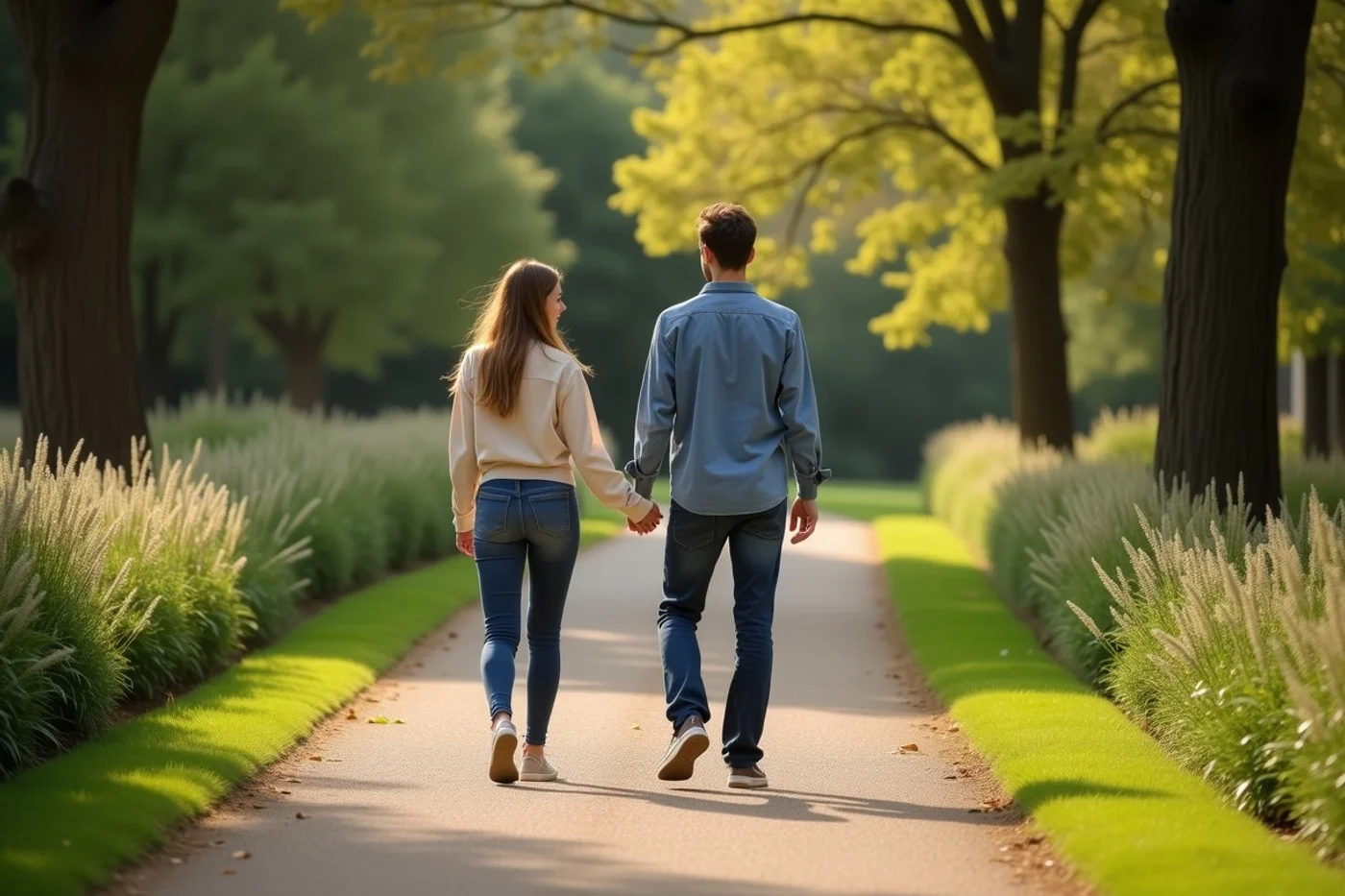
A memorable first date in Belgium needs neither an elaborate plan nor a famous landmark. The best settings give two people time to talk, something small to notice together, and a natural moment to leave. In Brussels, Antwerp and Ghent, that often means a café, museum, market, neighborhood walk, or short creative activity. Smaller Belgian cities and towns offer similar possibilities through local culture, cafés, community events, and nearby green spaces. The setting should support the meeting rather than perform romance.
What makes a first date work well

The best first date in Belgium is often simple rather than romantic or elaborate. A setting works when two people can talk, notice how they feel together, and leave without committing an entire evening to a near-stranger. Conversation needs time to develop, but the meeting should still have a visible end point, such as a short date with the option to continue.
Practical details shape the experience more than decorative ones. Agree on a specific, recognisable meeting point rather than asking one person to search through a crowded area. Make sure the setting supports ordinary conversation: loud music, cramped seating, or a highly structured activity can obscure whether interest is mutual. A café table, quiet cultural setting, or short walk offers a different balance between talking and doing; match that balance to both people.
Build flexibility into the plan without making it awkward. Give a first meeting a simple length, with an optional extension when conversation is flowing. For example, add a drink, walk a little longer, or end at the agreed time. Shared interest matters too: an activity picked by one person alone can feel like an audition. The best format gives both people something to discuss while leaving enough space to be themselves.
Brussels offers conversation-friendly choices for different personalities
Brussels does not need an elaborate itinerary for a worthwhile first date. A café suits two people who want direct conversation in a simple setting. A museum or gallery gives quieter company a shared subject to discuss, with natural pauses when conversation slows. Opt for a smaller cultural visit when a full afternoon feels too committed.
A neighborhood walk adds movement without becoming an endurance test. The Marolles, Sablon, or Ixelles offer changing streets, shops, and squares to notice together; pick one compact area and finish at a café when the mood is good. A market visit suits people who enjoy browsing and informal conversation, though busy stalls make sustained discussion difficult.
For a more structured meeting, pair a short activity with a drink afterward. A workshop, exhibition, or simple shared task anchors the date, while a follow-up drink leaves room to discuss the experience. Confirm the plan together before meeting: one person may welcome activity, while the other expects a quiet conversation. Brussels offers both, so the invitation should state the balance you have in mind.
Antwerp dates can combine a shared activity with relaxed conversation
Antwerp suits a date with a small point of focus. A visit to the Museum Plantin-Moretus or MAS gives you something specific to discuss, while a café afterward leaves space for conversation once the activity ends. Check the current visitor arrangements before building the plan around a cultural venue.
For a more informal pairing, meet near Het Eilandje or Zuid, browse a creative space, then stop for casual food nearby. Neighborhood exploration works best with a loose destination, such as a bookshop, design shop, or market area, rather than an unplanned march across the city.
A short shared activity also gives the meeting structure: try a workshop, look through an exhibition, or sample simple food together. Keep it brief enough that talking remains the main event rather than an optional extra.
Ghent creates options for slower and more active first meetings

Ghent suits a first date that needs some movement without becoming an organised performance. A café gives two people time to talk at their own pace, while a short walk through the historic centre or along the waterside provides natural pauses when conversation needs a reset. Set a route with a simple meeting point and a nearby place to sit, so the date does not depend on completing a long circuit.
A cultural outing suits people who find continuous eye contact intense. Visit a museum, gallery, or other exhibition space, then discuss one or two things that caught your attention. People who prefer books may enjoy browsing a bookshop or meeting near a literary event, as long as the activity remains brief enough for an actual conversation. For a more active option, try a low-commitment shared activity with a defined end, such as a casual workshop or introductory class.
A landmark provides background, not chemistry. A famous view cannot rescue a date that leaves no room to speak, and an ordinary café is better when both people value calm. In Ghent, match the setting to the mood: a café for focused conversation, a walk for a slower rhythm, or a short cultural activity when the date benefits from something to discuss.
Good formats exist beyond Belgium’s largest cities
In Leuven, Liège, Namur, Bruges, or a smaller town, a first date does not need a famous landmark. Local cultural activities, such as a bookshop event, small exhibition, or public talk, give the meeting a subject without dictating the whole evening. Check the current programme before suggesting one, since these options change.
Nature-accessible places suit two people who prefer movement and pauses: a park, riverside path, or short walk near the town centre. In smaller communities, a café near a market, library, or community venue provides a simple fallback when the weather changes. Community events also suit people who already share an interest, but crowded occasions leave less room for private conversation.
Interest-based venues fit best when the activity reflects something mentioned in your messages: a board-game setting, craft session, book-related venue, or food-focused gathering. Use a format that ends after one stage; a first meeting should not require an entire day to discover that the connection is absent.
Pick an idea that fits both people rather than performing romance
Base the format on what you already know about each other. A shared interest gives conversation a natural opening, while a neutral café or short walk suits two people who have exchanged little. Someone who dislikes being watched while concentrating may prefer a gallery visit to a competitive activity; someone who finds face-to-face conversation intense may appreciate a brief shared task with pauses.
Time and energy matter just as much. After work, one hour over coffee is often kinder than an ambitious evening plan. Check practical constraints before fixing the place: walking distance, stairs, weather exposure, language comfort, and noise. A quieter setting supports detailed conversation; a livelier one suits people who dislike silence but makes hearing each other difficult.
Give the date a defined shape: name the meeting point, suggest an approximate length, and leave room to extend it when the connection is good. A message such as “Would you like to meet for coffee for about an hour, with a walk nearby if we feel like continuing?” sets expectations without scripting the evening. The best option is the one both people can enter comfortably, not the one that looks most romantic on paper.
Match the format to both people: a café or quiet cultural visit suits conversation, a walk adds movement, and a brief shared activity helps when unbroken conversation feels demanding. Agree on a meeting point and a rough end time before the date. That gives the evening shape without turning it into a timetable.