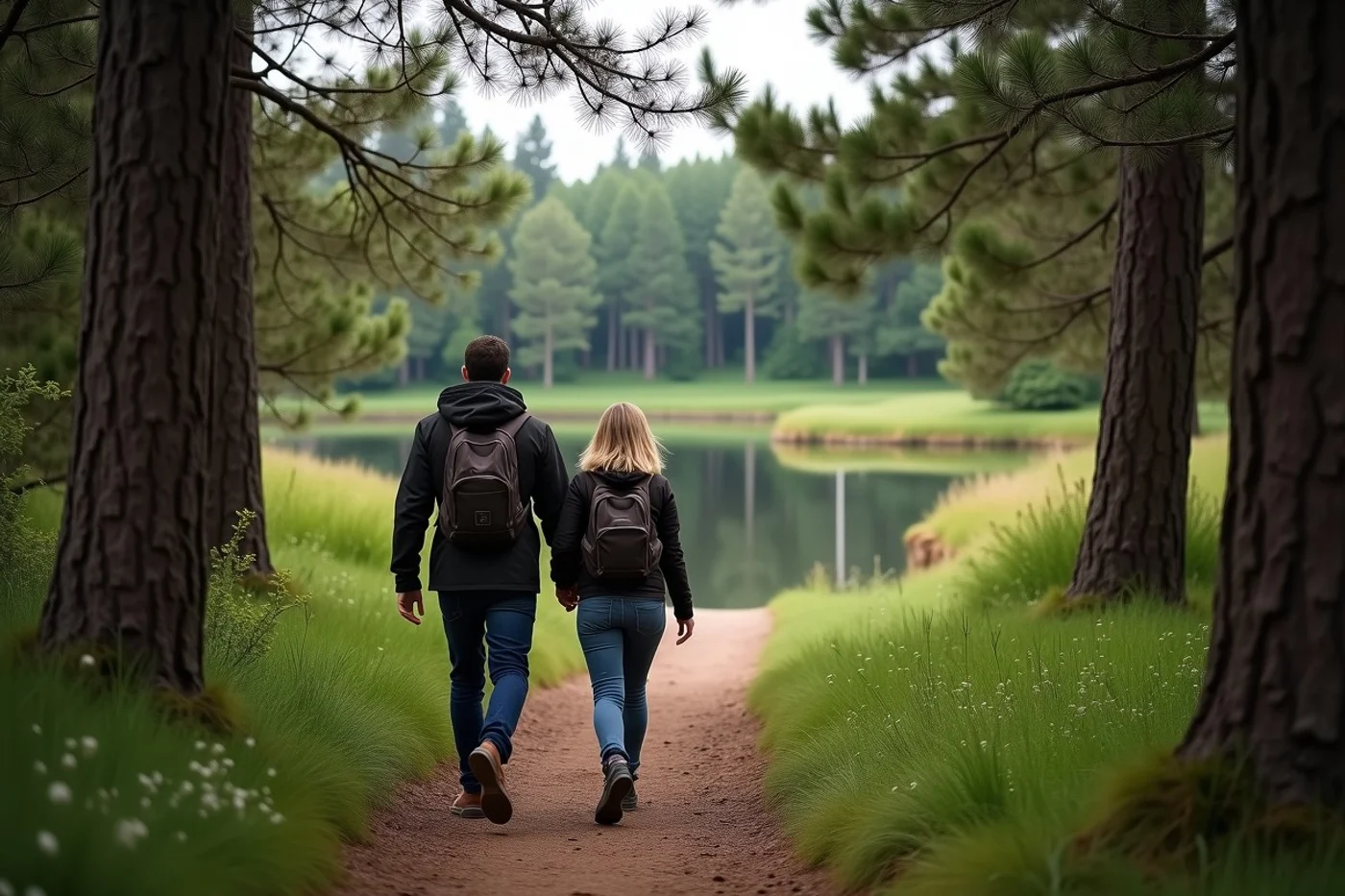
Bruges is not socially closed simply because its historic centre is busy with visitors. To meet and date people who live in Bruges, build repeat contact through resident-oriented clubs, classes, volunteering, cultural groups, or community events, then arrange dates at quieter times and places. Visitor traffic changes the feel of central streets across the year, so one-off encounters around landmarks are weak foundations for connection. Recurring contact, a sensible meeting point, and an easy route home give local dating a better shape.
Bruges Has Different Social Rhythms for Residents and Visitors

Dating in Bruges is not confined to the postcard centre, but the centre can distort first impressions. Around the canals and squares of the Historic Centre of Bruges, a pleasant conversation may involve someone passing through for a day or a weekend. For resident connections, pay attention to the city’s weekly rhythm: work, study, family plans, and familiar commitments bring people back into contact over time. Recognition tends to build across ordinary weeks, not during one crowded afternoon.
Season changes the balance. During warmer and holiday-heavy periods, the central streets often feel strongly visitor-led, leaving local continuity less obvious to anyone following the main sightseeing route. Quieter periods and hours outside the busiest visitor flow offer more space to notice who is part of the city’s regular life. A lively Friday encounter can be enjoyable; meeting the same person again in the course of normal life reveals far more about the possibility of dating locally.
Mentioning that you live in Bruges or nearby is a natural opening, then ask what connects the other person to the area. Their answer quickly distinguishes a visitor’s brief stop from someone with a life and availability in the city.
Recurring Activities Create Better Openings Than Tourist Hotspots
A conversation in a busy bar or while viewing a landmark can be enjoyable, yet it offers little shared context and often ends when the evening does. In Bruges, recurring activities put the same people in the room often enough for recognition to become a conversation. That is a stronger opening for dating than trying to identify locals among a constantly changing crowd.
Join something with a role beyond socialising: a language class, sports club, choir, book group, amateur arts activity, volunteer team, or community event that needs regular participation. The activity supplies an honest first topic, and repeated attendance lets interest develop without forcing an instant romantic angle. Pick one commitment you would still value if nobody there became a date.
Cultural programmes can also provide a route into an existing local interest. Concertgebouw Brugge publishes its programme, so a performance can suit someone who wants to meet people through music; the Groeninge Museum offers a shared subject for art-minded groups or a follow-up conversation. Attend because the subject appeals to you, then return to related events or group activities where familiar faces have time to recur.
For a first invitation, keep the link to the activity specific: “I enjoyed talking after the session—would you like to continue the conversation over coffee next week?” It signals interest while leaving room for an easy, respectful answer.
Look Beyond the Historic Centre for Resident-Oriented Connections

Pushing a few streets past Bruges’ Historic Centre changes the social map. Sint-Andries, Sint-Michiels, Assebroek and Sint-Kruis are residential parts of the city, where community life is more likely to centre on local facilities and associations than landmark streets. A neighbourhood café, cultural centre, amateur sports facility or association noticeboard gives you a reason to be there that does not rely on tourist traffic.
Approach these areas through the interest, not a hunt for singles. Search a district name with terms such as wijkcentrum (neighbourhood centre), vereniging (association), lezing (talk) or workshop, then read the description for its language and participation format. A public talk, open rehearsal, repair session, local food initiative or fundraising event can introduce you to people whose lives are rooted nearby, while leaving everyone free to focus on the activity itself.
Keep your Bruges social life anchored in one or two districts that fit your normal routine. Familiarity supplies genuine local reference points for a later invitation, such as an exhibition, a small community event or a café close to a place you both already know.
Plan a Bruges Date Around Conversation, Crowds, and Travel Home
In Bruges, the meeting point should serve the date, not create a navigation problem. Markt and Burg are easy central starting points for a short walk, but they are not automatically the best choice for both people. Ask where each person is coming from and set a point that leaves a straightforward route home. A simple plan also prevents one person from spending the first ten minutes searching around a busy square.
Keep the first activity contained and conversation-friendly. A visit to the Groeninge Museum can give you something specific to discuss, while Minnewaterpark and the Princely Beguinage Ten Wijngaerde suit a slower walking date. When the Historic Centre feels crowded, a shorter route with one planned stop will usually serve the conversation better than an ambitious circuit of landmarks. For a performance at Concertgebouw Brugge, agree in advance whether you will meet before the programme, continue afterward, or end at the venue.
The final stop deserves as much thought as the opening meeting. Pick a café, square, or other public place that does not force either person into an awkward detour. State the intended length when making the invitation—“a walk and a drink for about an hour” is enough—and leave room to extend the date if the conversation is going well. Before setting off, confirm current transport times and the last part of each route home.
Begin with one recurring setting outside the sightseeing circuit. A club, class, volunteer activity, cultural group, or community event gives you repeated contact with people who have a reason to return. That matters in Bruges: a brief conversation in a crowded square can be pleasant, but seeing someone again in a shared setting gives the connection somewhere to develop. Look at neighbourhood associations and local activity calendars beyond the busiest part of the Historic Centre of Bruges, without treating any single venue as a guaranteed dating spot. For the date itself, build a short route with room to talk. Markt or Burg can work as clear central meeting points, but they are poor choices for an entire evening when visitor traffic is heavy. A walk through Minnewaterpark and the Princely Beguinage Ten Wijngaerde offers a calmer change of pace. Groeninge Museum suits two people who prefer an indoor cultural plan, while Concertgebouw Brugge can anchor an evening around a programmed performance; confirm current opening times or programme details before setting the appointment. Keep the practical ending in view. Agree on a meeting time that leaves space for conversation, say how long the first plan is likely to last, and let each person arrange the route home from the final stop. During busier periods in central Bruges, a quieter meeting point or an activity outside the main visitor flow will usually serve the date better than adding more landmarks. Your next move is simple: pick one recurring resident-oriented activity in Bruges and attend it often enough for familiar conversation to become possible.
Sources for this guide
- Concertgebouw Brugge — official information — Concertgebouw Brugge
- Musea Brugge — official information — Musea Brugge
- UNESCO World Heritage Centre — official information — UNESCO World Heritage Centre